


Adaptive fitness is about modifying physical activities to meet your unique functional needs while ensuring you reap the same physiological and psychological rewards as any other athlete. It involves using specialized equipment, creative coaching techniques, and personalized goal-setting to create a sustainable movement practice that respects your body’s specific capabilities.
To build a successful routine, you should prioritize consistency over intensity, focusing on functional movements that improve your daily independence. Start with low-impact activities and gradually incorporate resistance training to support bone density and muscle health. By leveraging modern assistive technology and community-based inclusive programs, you can overcome traditional barriers to the gym and achieve a higher quality of life.
The Foundation of Adaptive Training
Creating a sustainable fitness plan begins with understanding how to work with your body rather than against it. Expert-backed reasoning suggests that for those using wheelchairs, focusing on “pulling” movements can counteract the “pushing” strain on the shoulders and chest. Research from organizations like the National Center on Health, Physical Activity and Disability emphasizes that adults with disabilities should aim for at least 150 minutes of aerobic activity per week to significantly reduce the risk of chronic conditions. Many individuals find that a free PDF conversion tool is helpful for digitizing and organizing customized workout plans or medical clearance forms from their healthcare providers.
Core Fitness Categories for Accessibility
Identifying the right modality is the next step in your journey to improved health and mobility.
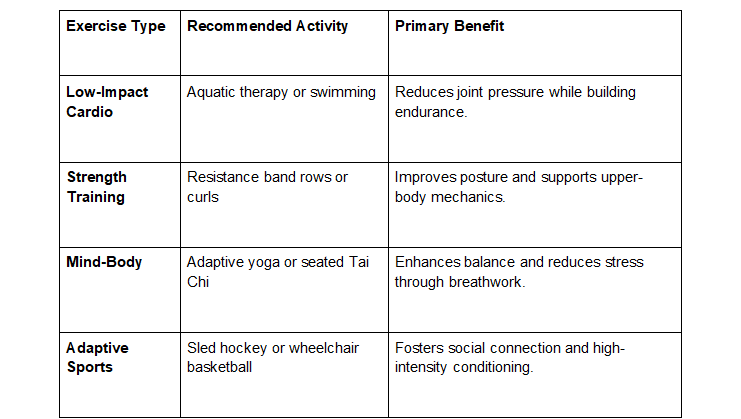
● Cardiovascular Health: Activities like hand cycling, seated boxing, or wheelchair sprints help elevate your heart rate and improve lung capacity.
● Strength and Resistance: Using resistance bands or light dumbbells can help maintain lean muscle mass and support joint stability.
● Flexibility and Mobility: Daily stretching or adaptive yoga prevents muscle atrophy and reduces the stiffness often associated with prolonged sitting.
● Functional Movement: Exercises that mimic daily tasks, such as reaching or transferring, directly improve your ability to navigate your environment.
Optimized Daily Routines
Establishing a rhythm is vital for long-term success in any physical wellness program. Before you launch into your day with a new physical challenge, it is essential to consult with a specialist who understands your specific mobility profile. Creating a morning ritual that includes light
mobility work can prepare your central nervous system for the demands of the day. This proactive approach ensures that your body remains resilient and ready for the specific exercises detailed in your weekly schedule.
Getting Started: A Step-by-Step Guide
1. Define Your Objectives: Determine if you want to improve endurance, build strength for transfers, or simply enhance your mood through movement.
2. Audit Your Environment: Identify local gyms that have earned the Inclusive Fitness Initiative mark to ensure the facility is truly accessible.
3. Find Your Community: Look for groups like PACE that provide resources and peer support for independent living and physical wellness.
4. Adopt Wearable Tech: Use smartwatches to track your heart rate and activity levels, as these tools are now considered a top trend for personalized health monitoring.
5. Start Small: Begin with ten-minute sessions and increase the duration by five minutes each week to avoid overexertion or injury.
Advanced Strategies and Resources
As you progress, you may want to explore more competitive avenues. Organizations such as the Challenged Athletes Foundation provide pathways to adaptive sports ranging from surfing to
track and field. Statistics show that 44% of hypertensive athletes in inclusive programs saw significant health improvements within just ten weeks of consistent participation.
For those in school settings, the American Association of Adapted Sports Programs sets the standard for interscholastic competition, ensuring that young athletes have the same opportunities for teamwork and achievement as their peers. Whether you are training for a local 5K or simply looking to move more freely, the key is to stay engaged with a supportive community. Programs offered by the Shirley Ryan AbilityLab showcase how technological innovations continue to expand the boundaries of what is possible in the world of adaptive fitness.
Frequently Asked Questions
How do I find a gym that is actually accessible?
Look for facilities that offer adjustable machines and have staff trained in adaptive coaching techniques. You can also call ahead to ask specifically about the availability of wide aisles and braille signage or if they follow the Inclusive Fitness Initiative guidelines.
What if I cannot meet the 150-minute weekly exercise goal?
Any amount of movement is better than none, so start where you are. Focus on small sessions of five to ten minutes throughout the day to build your stamina gradually without causing excessive fatigue.
Can I do strength training if I have limited grip strength?
Yes, you can use specialized equipment like weighted cuffs or gripping aids that strap the weight to your wrist. Resistance bands can also be looped around sturdy furniture or wheelchair frames to provide tension without requiring a tight grip.
Fitness is a personal journey that looks different for everyone, especially when navigating the world with a disability. By focusing on your unique strengths and utilizing available resources, you can build a lifestyle that promotes both physical health and mental well-being. Your commitment to movement today paves the way for a more independent and active future.